
Peptide Therapy for Tendon and Soft-Tissue Injuries
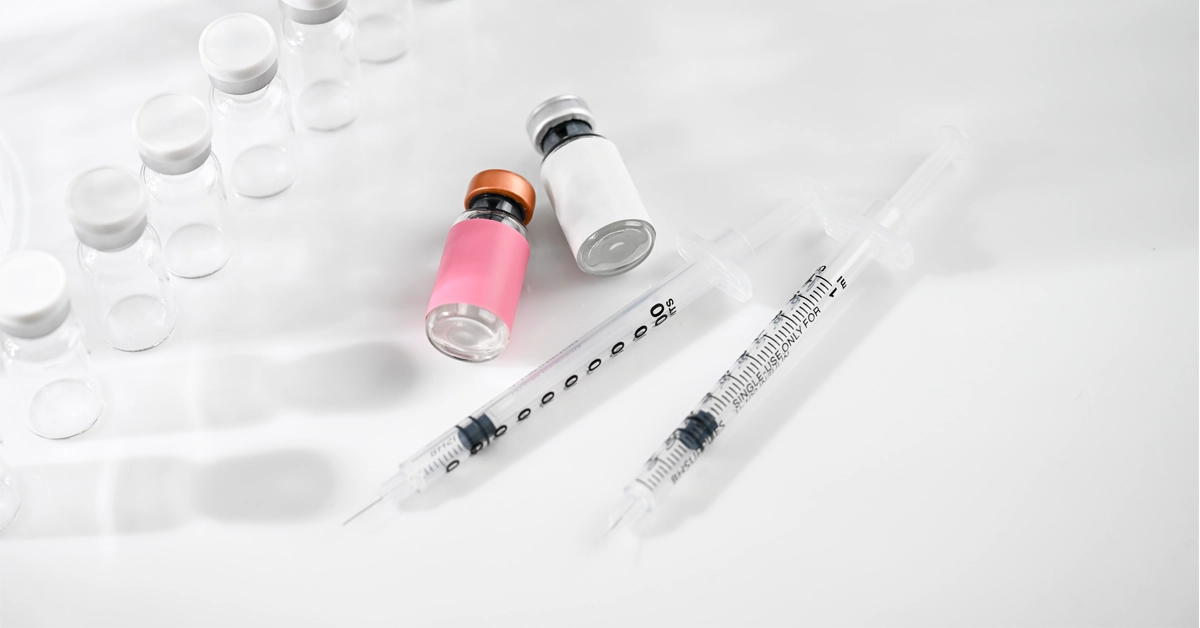
A sore elbow, shoulder, or knee can be frustrating when it keeps getting in the way of the things you want to do. And when rest, exercise, or other treatments haven’t gotten you where you want to be, you may start looking at other options.
One option getting more attention is peptide therapy. Some doctors are using injectable peptides as part of treatment for tendon and other soft-tissue injuries. But the research is still developing, and there’s a lot we don’t know yet.
Peptide therapy for tendon and soft-tissue injuries is still an emerging area of medicine. If you’re considering it, talk with a doctor who can explain what we know, what we don’t, and whether it has a place in your treatment plan.
What Are Peptides?
Your body uses small molecules called amino acids to make proteins. Peptides are short chains of these amino acids.
Your body naturally makes many different peptides. They play a role in things like hormones, your immune system, and tissue repair.
You may already be familiar with some peptide products. Collagen peptides are found in supplements, for example, and peptides are also used in some skin care products.
Other peptides are now being studied for possible use in tendon, muscle, and other soft-tissue injuries.
Why Is BPC-157 Getting So Much Attention?
If you’ve searched for peptide therapy for tennis elbow, shoulder pain, or knee problems, you’ve probably come across BPC-157.
BPC-157 is a synthetic peptide made up of 15 amino acids. It’s based on a peptide sequence associated with a protective compound found in gastric juice, the fluid produced by your stomach.
Researchers are interested in BPC-157 because of the role it may play in healing. Animal studies suggest it may affect:
- Collagen formation
- Blood vessel growth
- Cells involved in repairing damaged tissue
But we still don’t know how well BPC-157 works in people. Most of the research so far has been done in animals. Human research is very limited.
Larger human studies are needed to find out how much BPC-157 may help, who may benefit, and how it should be used. Researchers also don’t yet have clear answers about the best dose, how often it should be used, or how long treatment should last.
Are There Other Injectable Peptides?
BPC-157 isn’t the only injectable peptide being studied for tissue repair. Dr. Mangrum may also use TB-500 or thymosin beta-4 in some cases.
We still have very little human research on these peptides for orthopedic injuries, so we don’t know how well they work in people. Competitive athletes should also know that TB-500 and thymosin beta-4 are banned by the World Anti-Doping Agency.
How Does Peptide Therapy Fit Into Treatment?
Peptide therapy isn’t meant to take the place of everything else you’re doing for an injury. When it’s considered, it’s usually one part of a larger treatment plan.
Depending on your injury, that plan may include:
- Physical therapy
- Exercises that gradually build strength
- Changes to activities that keep irritating the injured area
- Image-guided procedures
Your doctor can look at what’s causing your symptoms, what you’ve already tried, and what other treatments may be appropriate before discussing whether peptide therapy makes sense for you.
Why Does the Source of Injectable Peptides Matter?
Where an injectable peptide comes from matters.
We usually perform peptide injections in the office using products from reputable pharmacies. In some cases, self-injection at home may be an option. Your doctor can tell you whether that’s appropriate and explain how the medication should be used.
Some injectable peptides used for musculoskeletal injuries aren’t FDA-approved for these uses. Compounded drugs also aren’t reviewed by the FDA for safety, effectiveness, or quality before they’re marketed in the same way as FDA-approved drugs.
There’s also a gray market for peptide products sold through unregulated websites. These products may not contain the amount listed on the label. In some cases, you may not know exactly what’s in the product. With something you’re injecting into your body, contamination and improper preparation are also concerns.
Online success stories can make peptide therapy sound more established than it is. Personal experiences can be useful, but they can’t tell us whether a treatment works consistently or which patients are most likely to benefit. That’s why good human studies are still important.
Learn More About Peptide Therapy in Atlanta
Dr. Mangrum uses peptide therapy primarily for tendon and soft-tissue problems such as:
- Tennis elbow
- Rotator cuff and other shoulder problems
- Knee issues
- Slipped rib
Whether peptide therapy is right for you depends on your injury, your health, and what other treatments you’ve already tried. Dr. Mangrum can evaluate the problem, discuss established treatments and newer options such as peptide therapy, and explain the potential benefits and limitations.
Schedule an evaluation with Axion Spine & Neurosurgery in Atlanta to find out whether peptide therapy has a place in your treatment plan.
Related: